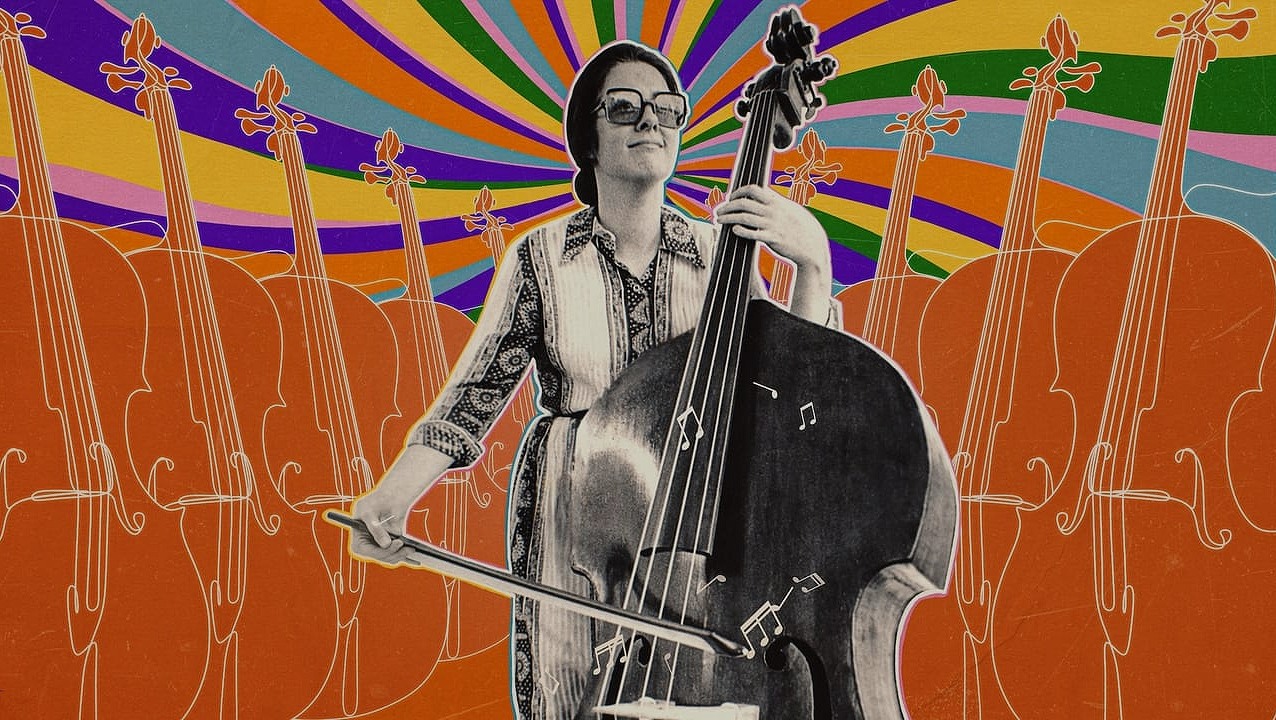

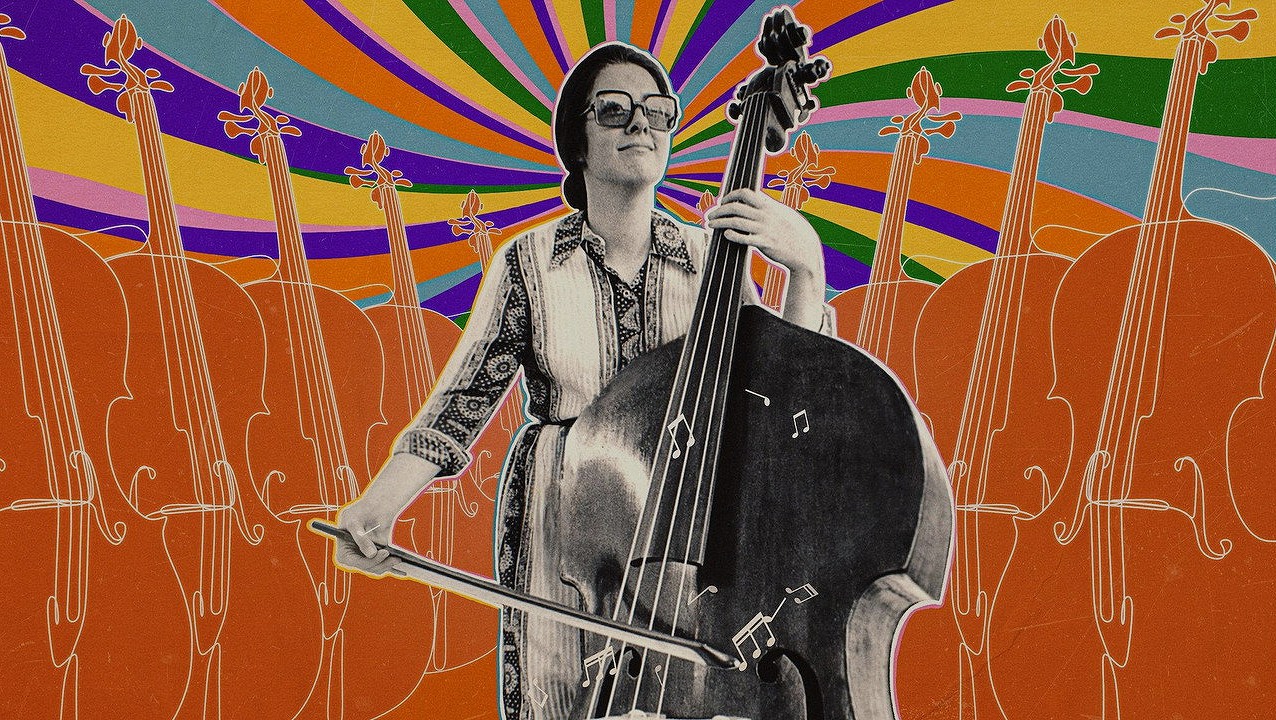
The Only Girl in the Orchestra is a short documentary lasting only 35 minutes, but it is as powerful and moving as a full symphony. The story of Orin O'Brien, a pioneering double bassist who became the first woman to be a permanent member of the New York Philharmonic in 1966. This documentary is not just a historical record but a celebration of an unyielding spirit and an inspiration to every woman who dares to overcome obstacles in a path full of prejudice.
Plot Summary (No Spoilers)
The documentary opens with an image of an elderly Orin practicing double bass at home. The sound of the bow on the strings reflects her love for this instrument. It then flashes back to her beginnings in an artistic family—she is the daughter of a Broadway actor and a film actress. But her path was not easy. When she decided to audition for the New York Philharmonic in 1966, she faced prejudice from conductors and colleagues who believed women were unsuitable for professional orchestras. With outstanding talent and determination, she overcame the barriers to become a permanent member, making history in classical music. The documentary also presents her life after retirement, passing on knowledge to the new generation, and her perspective on societal changes over the decades.
Performance and Characters
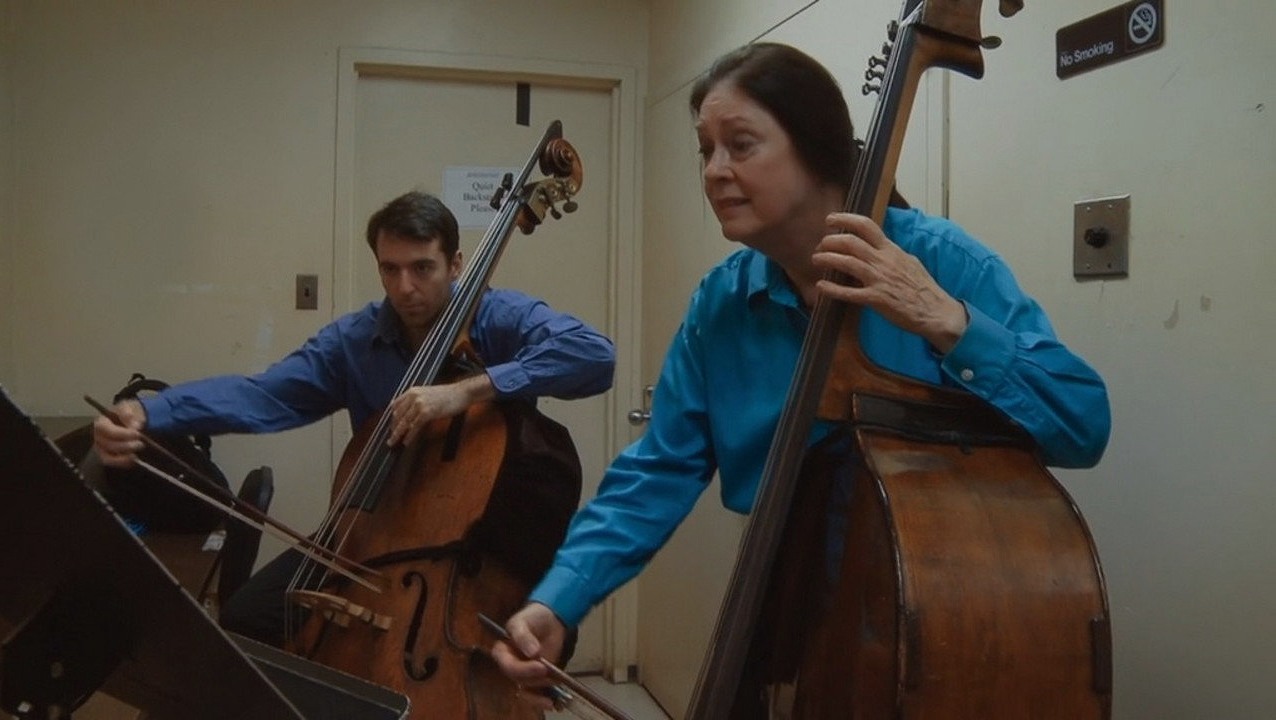
Although it is a documentary, The Only Girl in the Orchestra features a standout main character: Orin O'Brien herself. She tells her story through interviews with a warm, gentle voice that hides unwavering determination. The appearance of Molly O'Brien (her niece) as a narrator helps connect the story from a younger generation's perspective, making the documentary lively and accessible. Additionally, archival footage of Leonard Bernstein and others is used to create historical context, allowing viewers to deeply understand the atmosphere and challenges Orin faced.
Direction, Cinematography, and Music
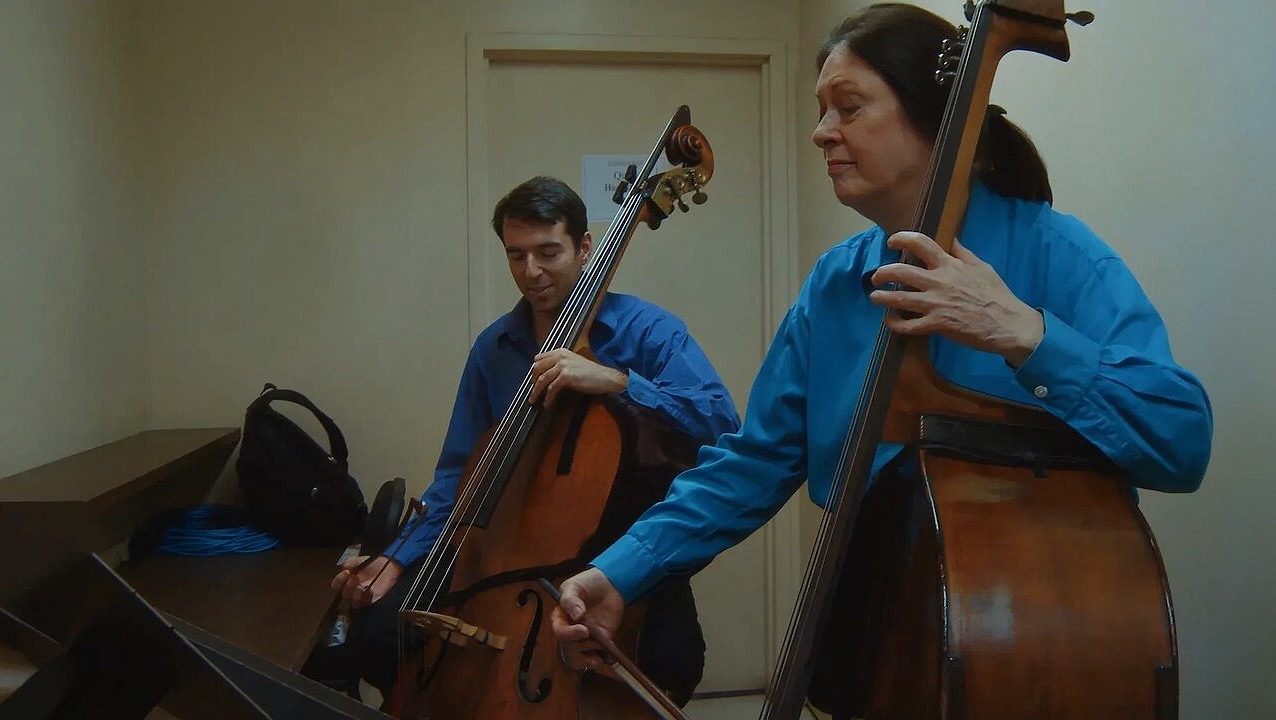
Director Molly O'Brien (Orin's niece) chooses a simple yet powerful storytelling approach. Most of the visuals are still images, archival footage, and present-day Orin, intercut seamlessly. The cinematography emphasizes intimacy, especially when Orin plays the double bass; the camera meticulously captures her hands and movements. The main soundtrack consists of Bernstein's works and classical pieces Orin once performed. The music blends harmoniously with the interview audio, creating an emotional connection that makes viewers feel the beauty and dedication in every note she plays.
Editorial Analysis
The Only Girl in the Orchestra is not just a documentary about music but a reflection on gender and equality. In an era when women were considered unsuitable for orchestral careers, Orin's ability to enter and persist for 35 years is a great victory. The documentary prompts us to question the patronage system and biases that still exist in many fields today. What stands out is that the director does not need to guide or judge; she lets Orin's story speak for itself through her memories, laughter, and tears, giving viewers both a sense of deep appreciation and inspiration.
Verdict
For classical music lovers and those interested in the history of the fight for equality, this short documentary is a gem worth watching. Though short, it is comprehensive and powerful, suitable for anyone seeking inspiration to pursue their dreams amidst obstacles.
Screenshots
👍 Pros
- +An inspiring story for women and those overcoming obstacles
- +Warm and accessible storytelling despite being a short documentary
- +Meticulous cinematography and sound that create strong emotional engagement
👎 Cons
- −At only 35 minutes, some details may be condensed
- −Viewers not interested in classical music may feel less connected
Top Cast





FAQ
The documentary is 35 minutes long.
She plays the double bass, a large string instrument in the orchestra.
The documentary was released on Netflix in 2023 and can also be viewed on other licensed platforms.
The documentary won the Academy Award for Best Documentary Short Film in 2024.